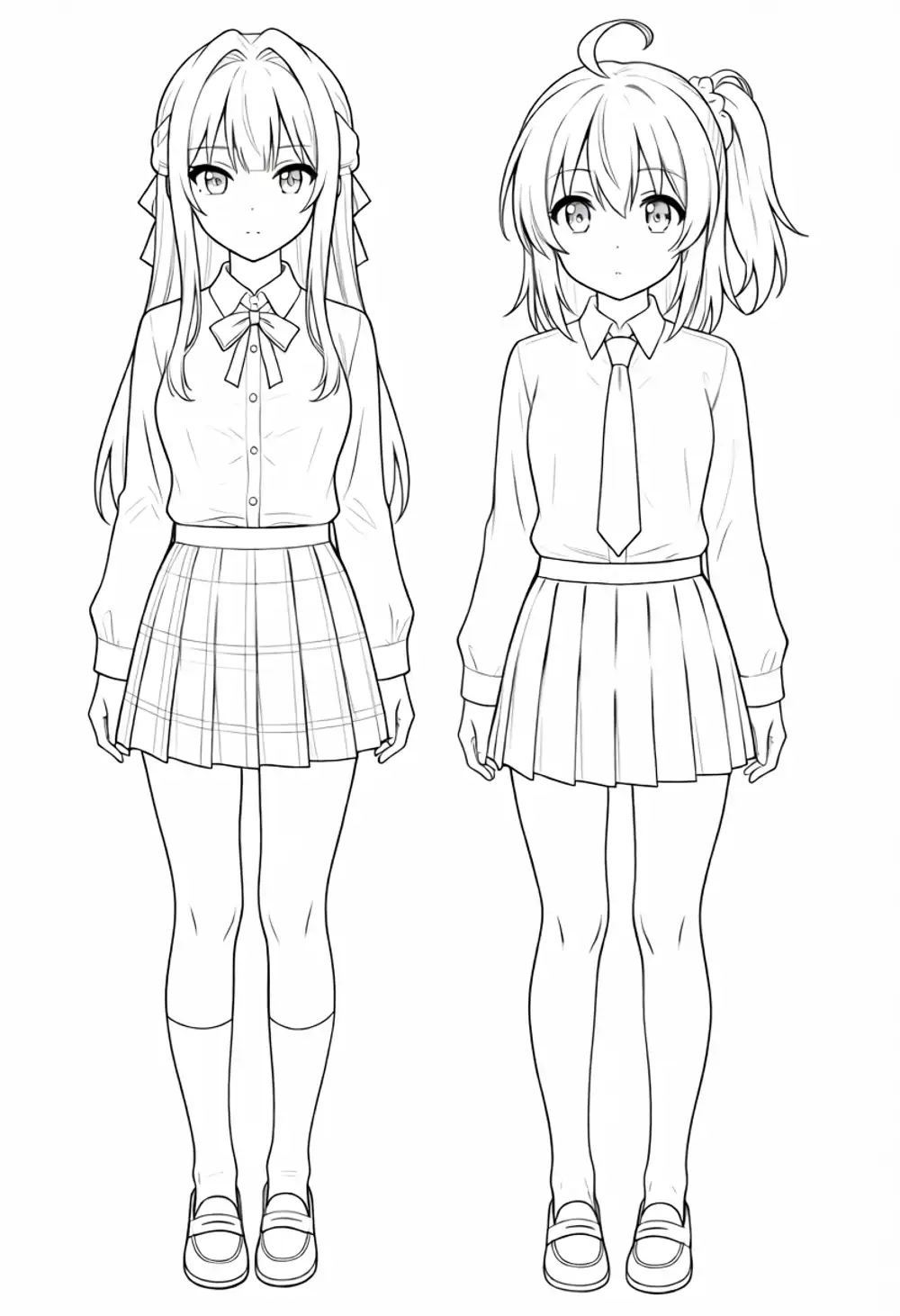
Tested on M1 Max 64GB: a 50M resampler predicts Anima's 4-char conditioning from short triggers. Train fits at cos distance 0.005, held-out order breaks; template P3 goes 15/16.
Tested on Anima-Base v1.0: no prompt hit the 512-token cap, cosine similarity moved the wrong way, and only the DiT-side conditioning changed who got drawn.
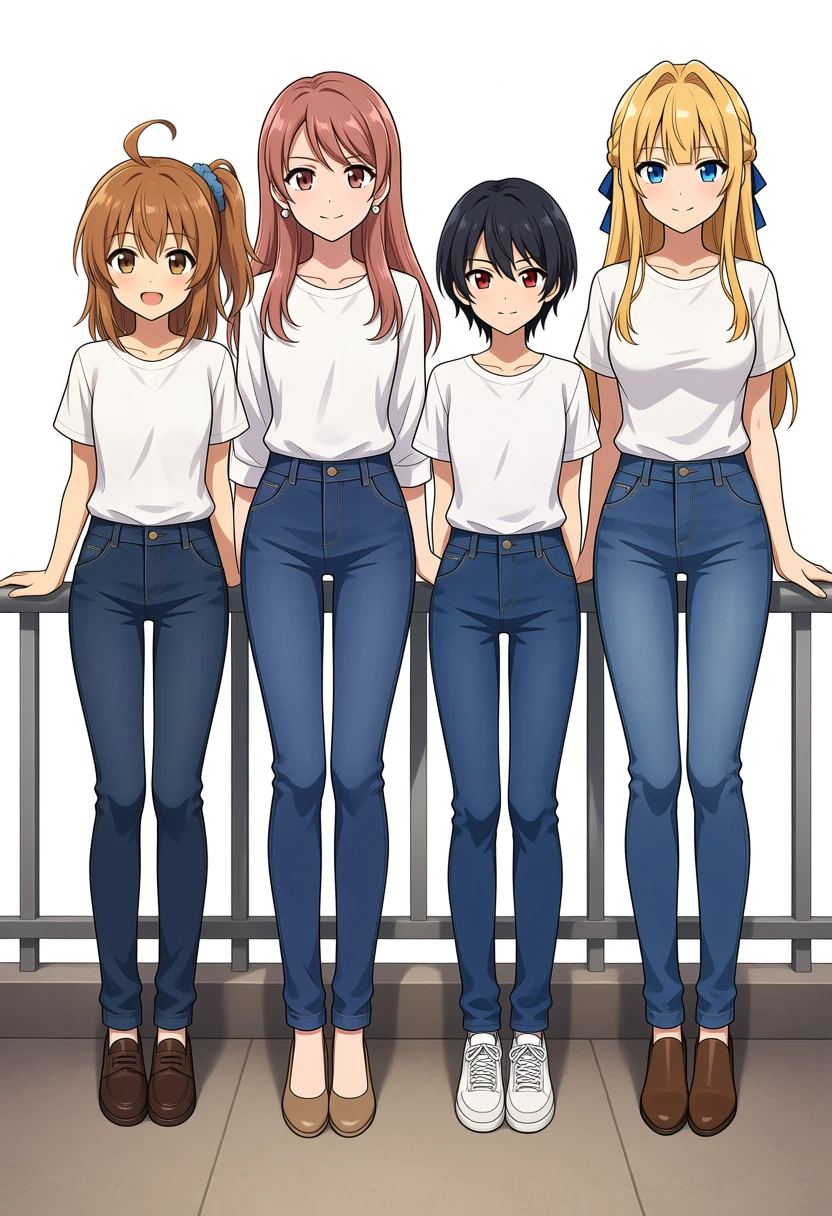
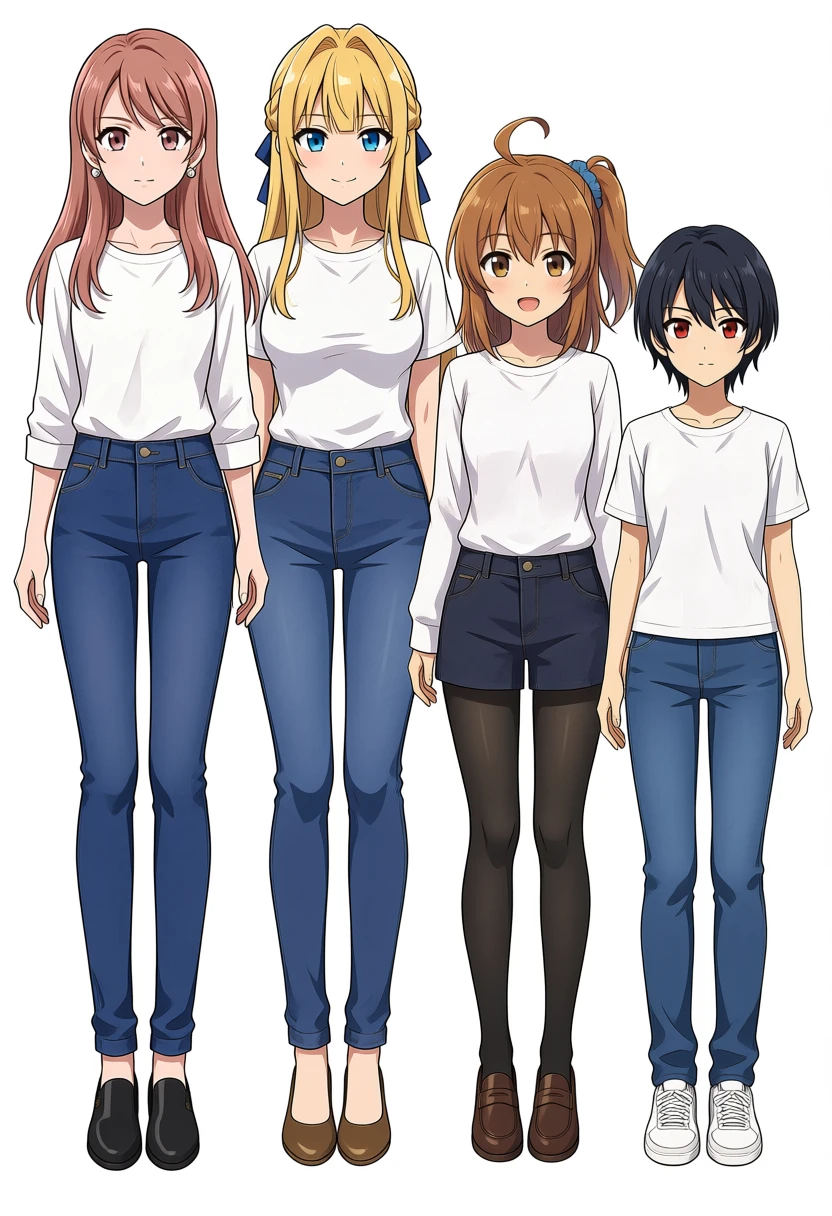
Tested 11 character combos × 3 seeds on Anima-Base: trigger-only prompts passed 3/33, full prompts 8/11, and copying one training-caption phrase fixed the height gap.
Tested on M1 Max 64GB: SeFi-Image turbo runs on MPS in bf16 at 13–47s/image; fake text and face artifacts only clear up on 5B RL at 50 steps, 18 min/image.
Measured on M1 Max 64GB: weight-only INT8 runs 41% slower than fp16, a hand-written Metal int8 GEMM 15.6x slower, MPSMatrix int8 3x, and MLX 8-bit 9% slower.
Tested on M1 Max 64GB ComfyUI: v0.24.1 fails to load int8_tensorwise, v0.30.1 hits the missing aten::_int_mm MPS kernel, and a dequantize patch runs slower than bf16.
Tested on M1 Max 64GB: AnimaLoraToolkit + Anima-Base crashes on torch 2.6.0 (MPS SDPA bug) but runs 300 steps clean on 2.7.1, at ~21 s/step, roughly 9x slower than an RTX 5090.
Muon and SOAP cut final diffusion loss 18% vs AdamW. Mapping that to Anima (Cosmos DiT) and SDXL U-Net LoRA training, plus existing LoRA-Muon research, before writing any code.
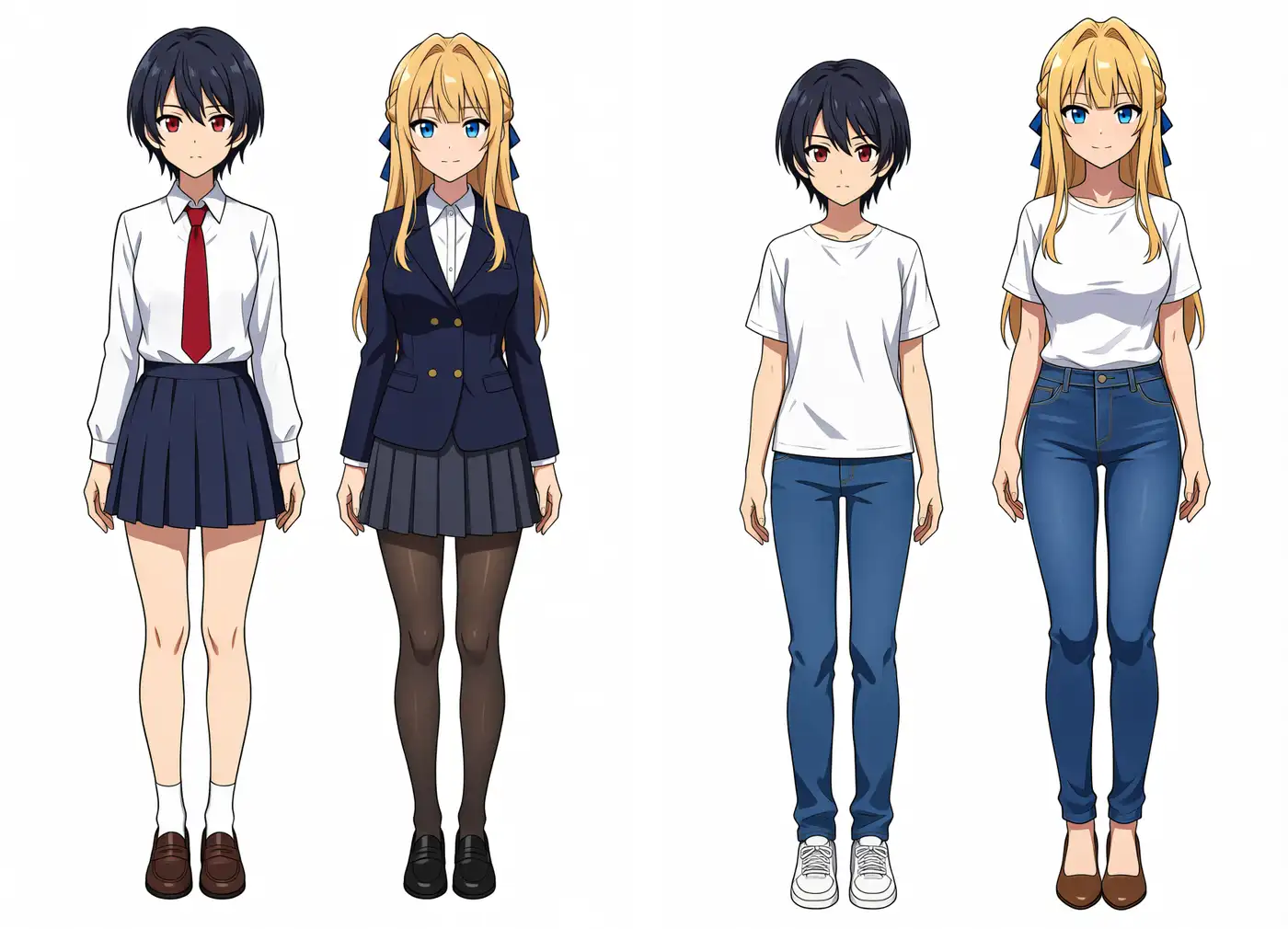
Merged a 4th girl with a makeup toggle into one Anima LoRA (518 images, rank256, 21.5h on RTX 5090). Epoch pick vs design bleed, why makeoff fails in multi-girl prompts, 6/6 one-shot.
Tested over 3 bakes on RunPod RTX 5090: a coined subtractive makeoff tag never fires at cfg 1.0, while additive earrings+makeup tags switch both ways with the face unchanged (ep140).
Measured on M1 Max ComfyUI: QIE 2511's pixel shift comes from the encode node's forced 1MP rescale. Stock ReferenceLatent fixes it; expression, outfit and pose diffs tested.
Tested on an M1 Max, NumPy only: Qwen maps a prompt to a JSON of knobs, and a 2D Kuramoto oscillator field renders it. No objects, but composition, color, and motion change with the prompt.